10 Weird Cat Behaviors Explained: Boxes, Kneading, "Gifts" and More
Why cats love boxes, knead blankets, bring you dead mice, get the zoomies, sit on your laptop, chatter at birds, eat grass and drink from the tap — explained.
On this page
- 1. Squeezing into boxes (even tiny ones)
- 2. Kneading ("making biscuits")
- 3. Bringing you "gifts"
- 4. The "zoomies"
- 5. Chattering at birds
- 6. Sitting on your laptop, book or paperwork
- 7. Head bunting and cheek rubbing
- 8. Eating grass
- 9. Drinking from the tap (or your glass)
- 10. Knocking things off tables
- Bonus: the slow blink
- When "weird" means "see the vet"
Cats do some genuinely strange things. Most "weird" cat behaviors make perfect sense once you know a little about how cats evolved: as small, solitary hunters who are also prey for larger animals. Here are ten of the most common, explained.
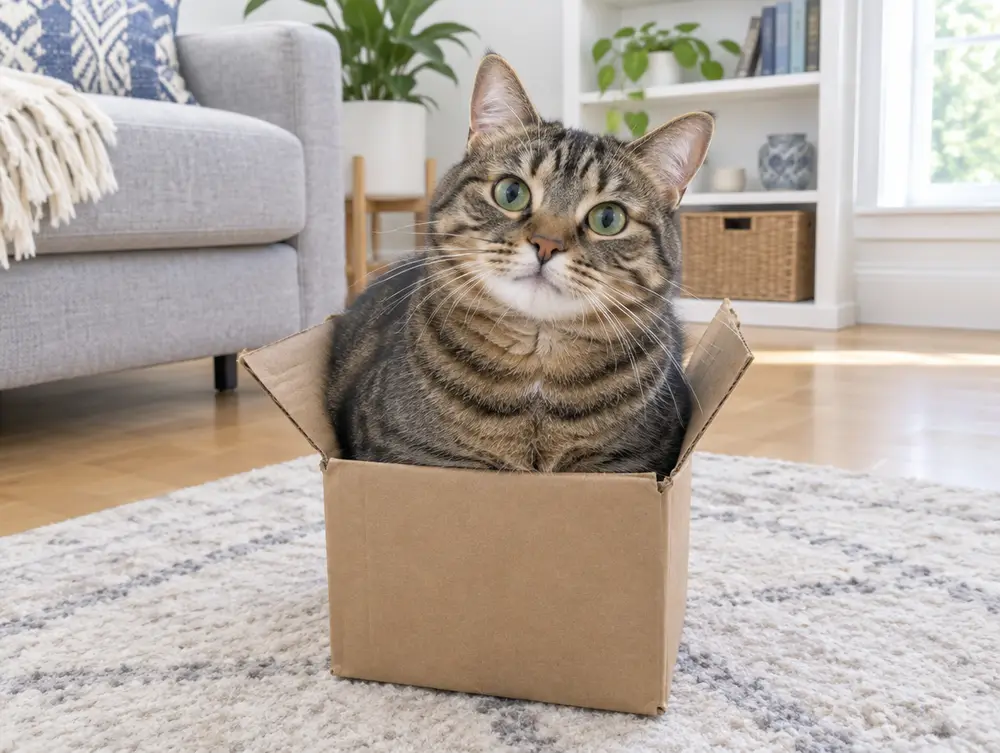
1. Squeezing into boxes (even tiny ones)
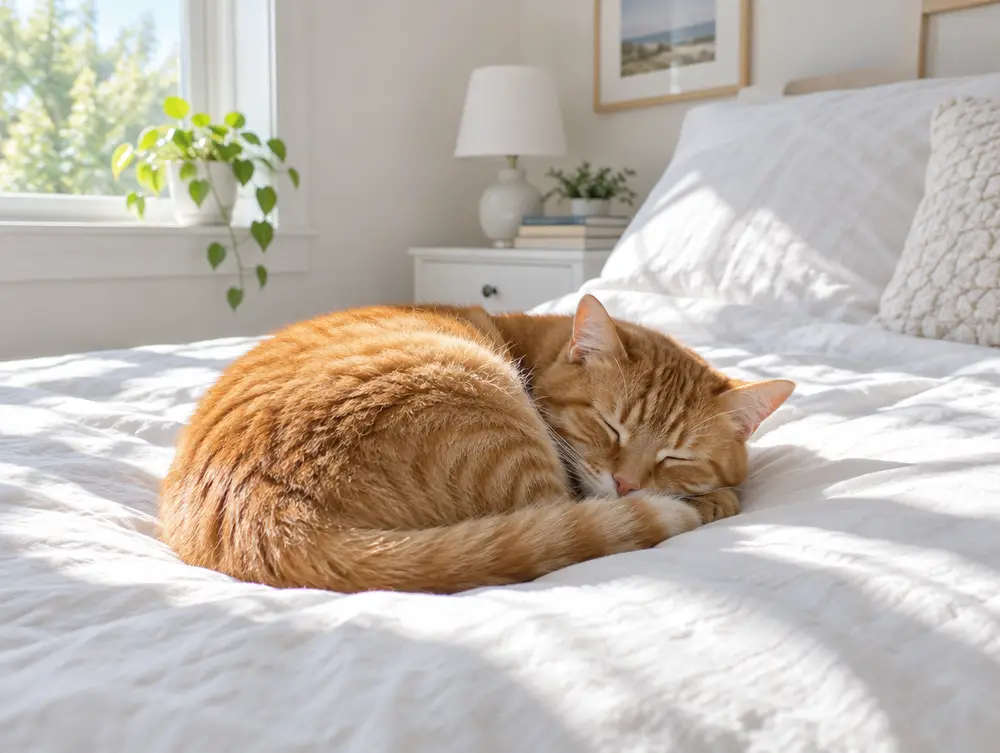
"If I fits, I sits" has a scientific basis. Boxes offer what cats crave:
- Security: an enclosed space with walls on all sides means nothing can sneak up on them. A study in a Dutch animal shelter found that newly arrived cats given a hiding box adapted faster and showed less stress than cats without one.
- Warmth: cardboard is a good insulator, and cats like it warmer than we do.
- An ambush spot: perfect for watching the world, and pouncing.
Cats will even sit inside shapes taped on the floor. A 2021 citizen-science study found many cats chose to sit inside an illusory square outline. They seem drawn to any defined space.
2. Kneading ("making biscuits")
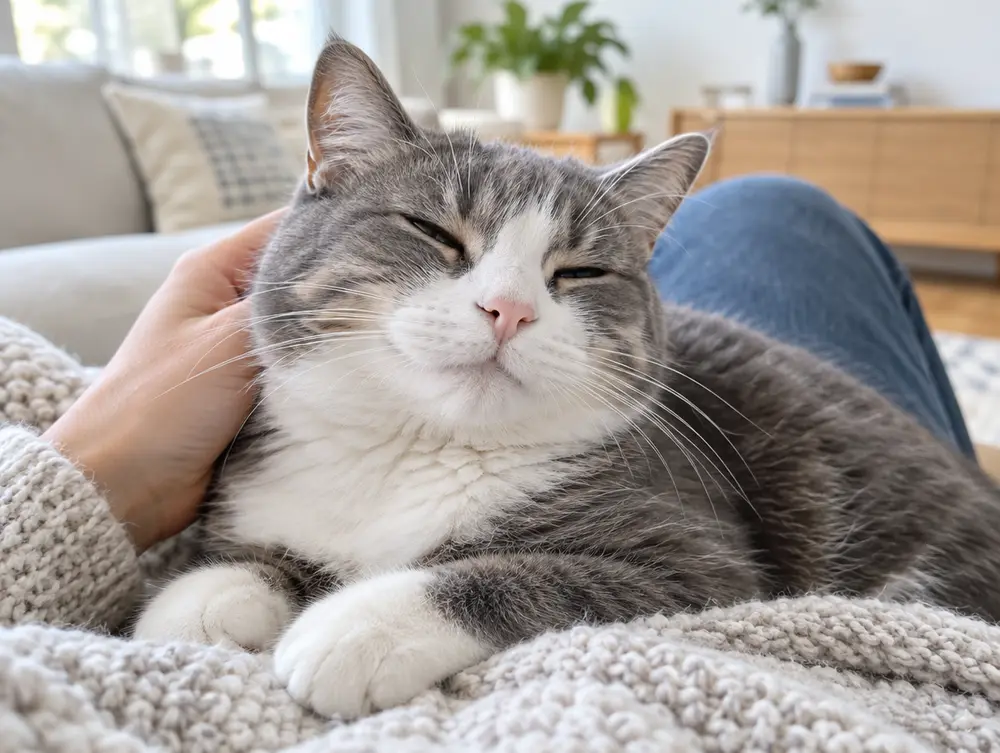
Pushing paws rhythmically into a soft blanket, or your stomach, is a behavior from kittenhood: kittens knead their mother's belly to stimulate milk flow. Adult cats knead when they feel relaxed, content and safe, often while purring. Kneading also deposits scent from glands in the paws, marking you as "theirs".
If the claws hurt, place a thick blanket on your lap. Never punish kneading: it's a sign of trust.
3. Bringing you "gifts"
Finding a dead mouse on the doormat is unpleasant, but your cat isn't being cruel. Hunting is a deep instinct, and cats often bring prey back to a safe place: their home territory. Some experts suggest it may also be linked to how mother cats bring prey to kittens.
What to do: don't punish your cat. Calmly remove the prey with gloves. To reduce hunting, keep cats indoors at dawn and dusk, use a bright collar or bell, and provide daily hunting-style play. See indoor vs outdoor cats. Indoor cats may "gift" you toys instead.
4. The "zoomies"
Sudden, frantic racing around the house, often in the evening or after using the litter box, is a burst of pent-up energy. Officially it's sometimes called "frenetic random activity periods". It's normal, especially in young cats and indoor cats.
If zoomies happen every night at 3 a.m., your cat probably needs more play during the day and an evening play session before bed. See why cats need play.
5. Chattering at birds
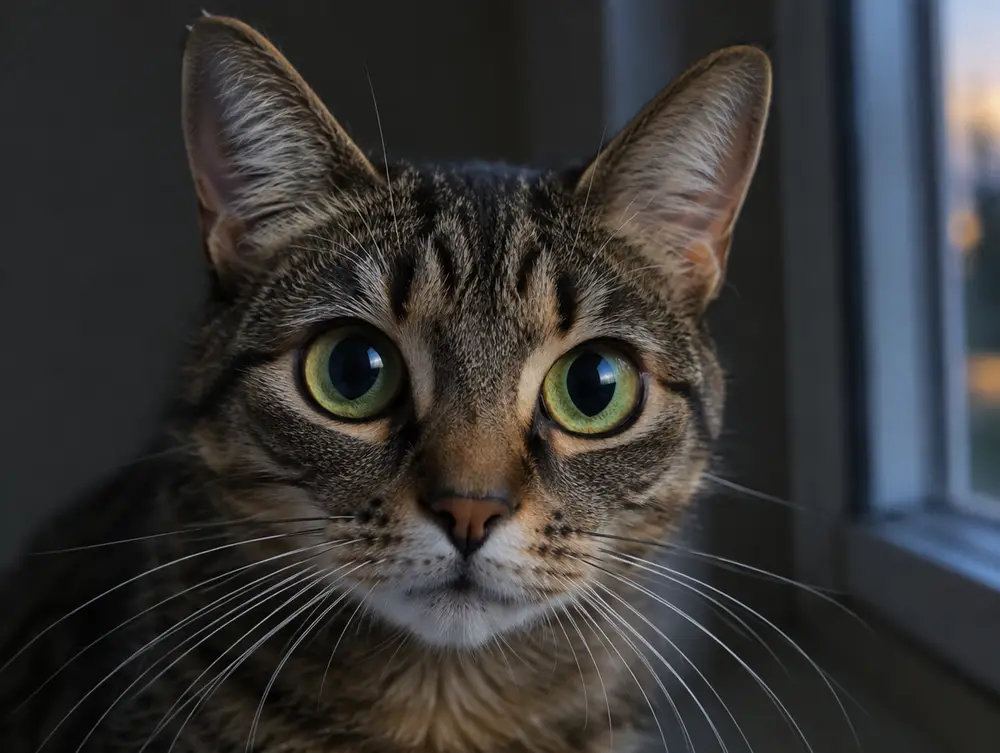
That strange teeth-chattering, clicking sound cats make at birds outside the window is linked to excitement and frustration at prey they can't reach. Some researchers think it may mimic the jaw movement of a killing bite; others suggest it might imitate bird calls. Either way, it's normal and harmless.
6. Sitting on your laptop, book or paperwork
Your cat isn't trying to sabotage your work, though it may feel like it. Laptops are warm, and sitting there puts your cat right in the center of your attention. It may also be about scent: your hands have touched it, so it smells like you.
Solution: put a cosy bed or blanket right next to your workspace, and give attention when your cat uses it.
7. Head bunting and cheek rubbing
When your cat bumps their head against you, or rubs their cheeks on your legs and furniture, they're depositing scent from glands on their face. This is a sign of affection and belonging: you're part of their social group. Cats who live together rub against each other for the same reason.
8. Eating grass
Many cats nibble grass or houseplants and sometimes vomit afterwards. Nobody knows exactly why. Theories include adding fiber, helping pass hair, or simply liking the texture. It's generally harmless if the plant is safe.
9. Drinking from the tap (or your glass)
Many cats prefer running or "fresh" water. In nature, moving water is more likely to be clean than still water. Your glass may also be fresher and placed away from food, which cats prefer. A water fountain or extra wide bowls placed away from food can help. See cats and water.
10. Knocking things off tables
It's partly play (does it move like prey?), partly curiosity, and partly a very effective way to get your attention. See why cats knock things off tables.
Bonus: the slow blink
If your cat looks at you and slowly closes and opens their eyes, they're showing trust. A study at the Universities of Sussex and Portsmouth found cats were more likely to approach and slow-blink back at people who slow-blinked at them first. Try it!
When "weird" means "see the vet"
Some odd behaviors are medical rather than quirky:
- Sudden changes in behavior at any age
- Eating non-food items like fabric or plastic (called pica): can cause dangerous blockages
- Constant over-grooming or bald patches
- Yowling at night in an older cat
- Head pressing (pushing the head against a wall): a possible neurological emergency
If you're unsure whether a behavior is normal for your cat, ask your vet. Read more in stress in cats.