Caring for a Senior Cat: Health, Diet and Home Changes
When a cat becomes a senior, common age-related illnesses, how often to see the vet, diet changes, arthritis-friendly homes and cognitive changes.
On this page
Thanks to better nutrition and veterinary care, cats are living longer than ever, and it's common for indoor cats to reach their late teens or even their twenties. With a few adjustments, senior cats can stay comfortable, engaged and happy for years.
When is a cat "senior"?
Current feline life stage guidelines (from the AAHA and AAFP) describe:
| Life stage | Age | Approximate human equivalent |
|---|---|---|
| Kitten | Birth – 1 year | 0–15 years |
| Young adult | 1–6 years | 15–40 years |
| Mature adult | 7–10 years | 44–56 years |
| Senior | Over 10 years | 60+ years |
Try our cat age calculator to see your cat's age in human years.
More frequent vet check-ups
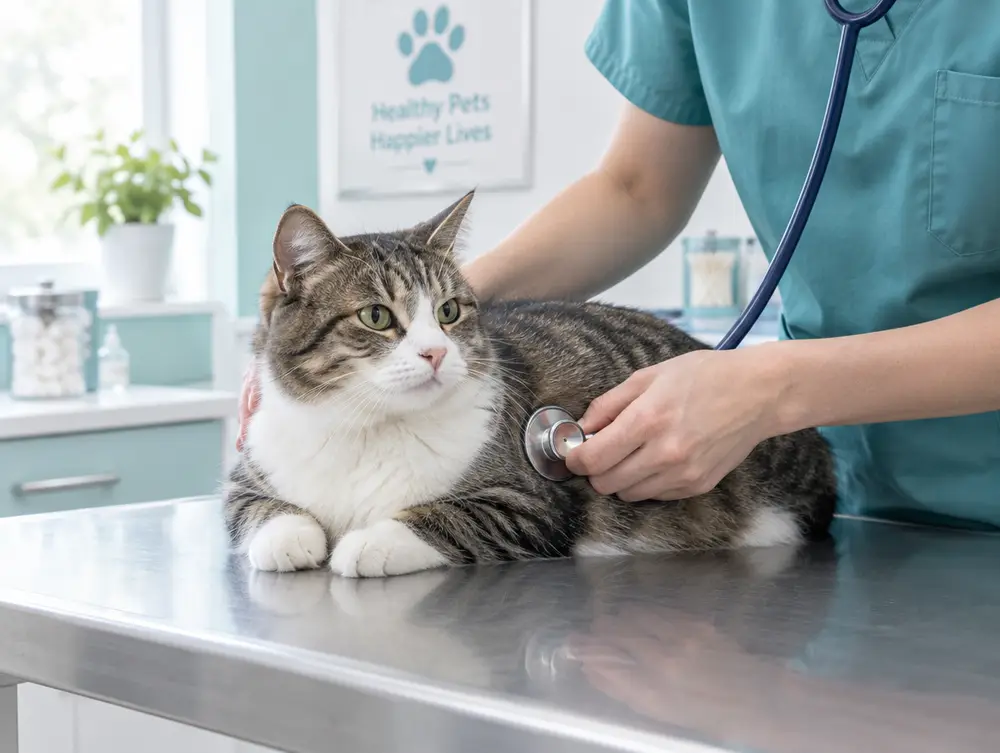
Many age-related diseases develop slowly and silently. For cats over about 10, vets commonly recommend check-ups every 6 months, often including:
- Weight and body condition (and muscle condition)
- Blood tests (kidney function, thyroid, blood sugar) and urine tests
- Blood pressure — high blood pressure is common in older cats and can cause sudden blindness
- Dental examination
- Joint and mobility assessment
Common problems in older cats
- Chronic kidney disease — increased thirst and urination, weight loss
- Hyperthyroidism — weight loss despite eating well, restlessness
- Diabetes — thirst, urination, weight loss
- Arthritis — very common and often missed
- Dental disease — painful but often hidden
- Cancer
- Cognitive dysfunction — similar to dementia in people
- Vision and hearing loss
Read about each in common health problems.
Feeding a senior cat
- There's no single "senior diet". Choose based on your cat's health and body condition, with your vet.
- Many older cats lose weight and muscle, and need more calories and highly digestible protein — not less.
- Others become less active and gain weight.
- Offer wet food to support hydration.
- Weigh your cat monthly. Unexplained weight loss is often the first sign of illness.
- Cats with kidney disease benefit from a vet-recommended kidney diet — see special diets.
An arthritis-friendly home
- Low-sided litter boxes — or cut a low entry into a storage box. Put a box on every floor.
- Ramps or steps to favorite windowsills, sofas and beds.
- Raised food and water bowls can help cats with neck or elbow pain.
- Soft, warm beds in quiet, draft-free spots — heated pads designed for pets are popular.
- Non-slip rugs on hard floors.
- Help with grooming — gently brush areas they can no longer reach, and trim nails more often (older cats' nails can grow into the pads).
Keep their mind active
- Short, gentle play sessions with wand toys still matter.
- Puzzle feeders (easy level), window perches and new smells provide stimulation.
- Keep routines predictable.
Cognitive dysfunction
Signs of feline cognitive dysfunction include disorientation, forgetting litter training, changes in sleep, yowling at night, reduced interaction and anxiety. Medical problems like hyperthyroidism, high blood pressure and pain can cause similar signs, so a vet check is important. Night lights, a predictable routine and enrichment can help. See night yowling.
Quality of life
As cats age, it's natural to think about quality of life. Vets often use simple scales covering pain, appetite, hydration, hygiene, happiness, mobility and more good days than bad. Talking openly with your vet about this — early, before a crisis — helps you make kind decisions when the time comes.