How to Choose a Veterinarian for Your Cat
What to look for in a vet: cat-friendly clinics, emergency cover, communication, cost transparency and questions to ask before your first visit.
On this page
Your vet will be your partner for your cat's whole life — from kitten vaccines to senior care. It's worth choosing one before your cat comes home, rather than searching in a panic when something goes wrong.
What to look for
Cat-friendly practice
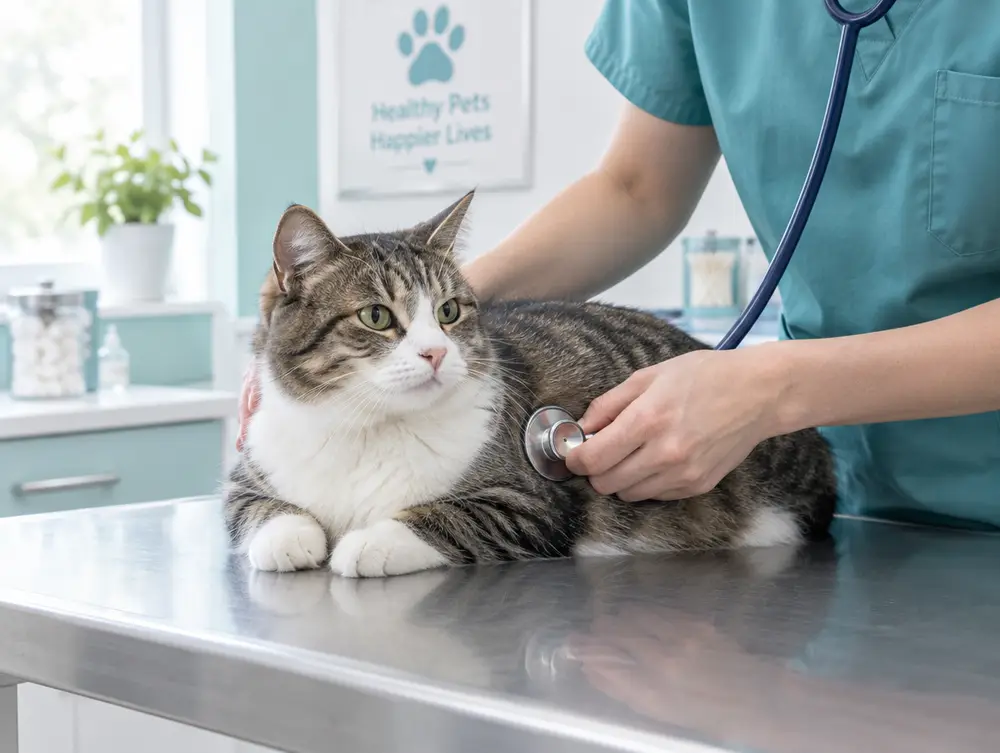
Cats find vet visits stressful. Clinics that understand this make a big difference:
- Cat Friendly Clinic or Practice accreditation (from ISFM/International Cat Care or the AAFP) — a sign the clinic has made specific changes for cats.
- Separate cat waiting area or times, away from dogs.
- Raised places for carriers in the waiting room.
- Gentle, "low-stress" or "fear-free" handling — minimal restraint, letting the cat stay in the bottom of the carrier where possible.
- Staff who are comfortable with cats and understand feline medicine.
Location and hours
- Close enough to reach quickly in an emergency.
- Opening hours that fit your schedule.
- Out-of-hours cover: does the clinic handle its own emergencies, or refer to a 24-hour emergency hospital? Where is it?
Services
- In-house lab testing, X-rays and ultrasound
- Dental care (including dental X-rays, which are important in cats)
- Surgery, hospitalization and pain management
- Referral links to specialists when needed
Communication
- Do they explain options clearly and let you ask questions?
- Do you get written estimates for bigger procedures?
- Can you contact them by phone, email or an app?
- Will your cat usually see the same vet?
Cost transparency
Prices vary a lot between practices. Ask for the price of a standard consultation, vaccinations and a spay/neuter. Some clinics offer wellness plans that spread routine costs over monthly payments. Cheapest isn't always best — but good clinics are open about fees.
Questions to ask
- Do you have a separate cat waiting area or cat-only appointments?
- What happens in an emergency at night or on weekends?
- Do you offer dental X-rays and dental cleaning under anesthesia?
- How do you handle nervous cats?
- What does a wellness exam include and cost?
- Do you offer payment plans or accept pet insurance direct billing?
Before your first visit
- Visit or call the clinic to get a feel for it.
- Read reviews — but focus on patterns rather than one angry review.
- Ask friends, neighbors or local cat groups for recommendations.
Making vet visits less stressful
- Carrier training: leave the carrier out as a cozy bed with treats inside. See clicker training.
- Cover the carrier with a towel during travel and in the waiting room.
- Use a familiar blanket and consider a synthetic feline pheromone spray on it 15 minutes before leaving.
- Hold the carrier from below rather than swinging it by the handle.
- Ask your vet whether a pre-visit anti-anxiety medication could help if your cat is very fearful.
- After the visit, if you have more than one cat, reintroduce gradually — the returning cat may smell of the clinic.
How often should my cat see the vet?
- Kittens: several visits in the first months for vaccines and checks
- Adults: at least once a year for a wellness exam
- Seniors (around 10+ years) or cats with health conditions: every 6 months is often recommended
See senior cat care and the vaccination schedule.