The Complete Litter Box Guide: Types, Litter, Cleaning and Placement
Choosing the right litter box and litter, how many boxes you need, where to put them, how often to clean, and how to prevent litter box problems.
On this page
Litter box problems are one of the most common reasons cats are given up to shelters — and most are preventable. A cat's preferences are surprisingly specific. Get the set-up right and your cat will use the box reliably for life.
How many litter boxes?
The widely recommended rule is one box per cat, plus one. So:
- 1 cat → 2 boxes
- 2 cats → 3 boxes
- 3 cats → 4 boxes
Boxes placed side by side count as one "location" to cats — spread them around the home, including one on every floor.
Choosing a box
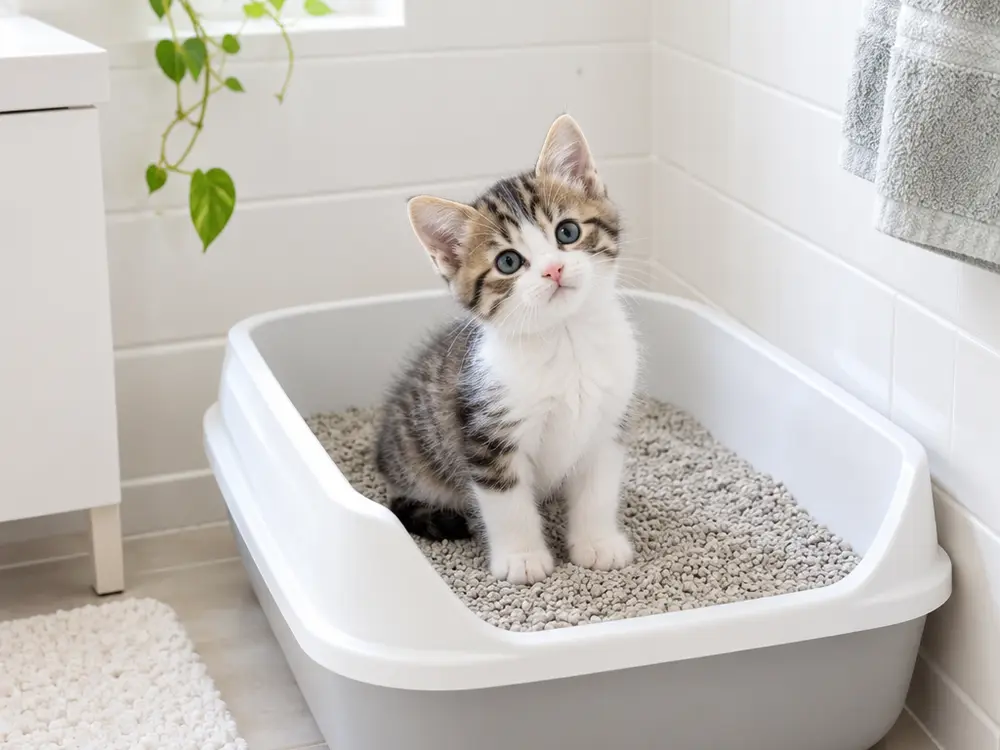
- Size: about 1.5 times your cat's length from nose to base of tail. Most commercial boxes are too small for adult cats. Large under-bed storage boxes are a popular, cheap alternative.
- Sides: high enough to contain litter, with a low entry for kittens, older or arthritic cats.
- Open vs covered: in studies, many cats show no strong preference, but covered boxes trap odors inside (unpleasant for a cat's sensitive nose) and can make a cat feel cornered by another pet. Start with an open box unless your cat prefers a covered one.
- Top-entry boxes: reduce litter tracking, but aren't suitable for kittens, seniors or arthritic cats.
- Self-cleaning boxes: convenient, but some cats are frightened by the motor — and you lose the chance to notice changes in urine and stool. Introduce carefully.
See our litter box buying guide.
Choosing litter
- Unscented, fine-grained clumping litter is preferred by most cats in preference studies.
- Scented litters and deodorizers appeal to people, not cats.
- Depth: about 5 cm (2 inches) for most cats.
- Change litter types gradually, mixing the new into the old.
Compare clay, silica, wood, paper, corn and wheat litters in the cat litter buying guide.
Where to put the box
- Quiet and private, but not hidden in a dark, hard-to-reach corner
- Away from food and water
- Away from noisy appliances such as washing machines and boilers, which can startle a cat mid-use
- With an escape route — in multi-pet homes, a cat shouldn't feel trapped by another animal
- Easy to reach — no long trek up stairs for an old cat
- Consistent — move boxes gradually if you must, adding a new one before removing the old
Cleaning
- Scoop at least once a day, ideally twice.
- Top up litter as needed to keep the depth consistent.
- Empty completely and wash the box with warm water and mild unscented soap every 1–4 weeks, depending on litter type (clumping litter lasts longer).
- Avoid strong-smelling cleaners, especially ammonia and bleach (ammonia smells like urine; bleach fumes can irritate).
- Replace plastic boxes every year or so — scratches hold odors.
Pregnant? Immunocompromised?
Have someone else clean the litter box if possible, or wear gloves and wash your hands well. Scoop daily — the parasite Toxoplasma takes 1–5 days to become infectious after being passed in feces. See cats, babies and pregnancy.
When your cat stops using the box
- Rule out medical causes first. Urinary problems, constipation, diarrhea, arthritis and kidney disease are common causes. A male cat straining with little urine is an emergency.
- Review the set-up: size, cleanliness, litter type, location, number of boxes.
- Look for stress: new pets, visitors, renovation, conflict between cats. See stress in cats.
- Clean accidents with an enzymatic cleaner.
For persistent problems, read spraying and peeing outside the box.